Bersaglio

Target

Umberto Saba, da Il Canzoniere (1921)

Bersaglio

Del mare sulle iridescenti arene,
dove in trincee si ammucchiano, mi getto;
e con una repressa ansia il grilletto
premo. Va la terribile frustata

e una sagoma cade. Immaginata
non ho in essa una più bella che buona,
non una testa che porti corona,
non il nemico che più mai non viene.

Se qui l’occhio non falla e il colpo è certo,
egli è che nel bersaglio ognor figuro
l’orrore che i miei occhi hanno sofferto.

Tutto che di deforme hanno veduto,
di troppo ebraico, di troppo panciuto,
di troppo lamentosamente impuro.

Ascolta la poesia

Target
(Umberto Saba, 100 poems, edited by Patrick Worsnip, Carcanet, 2022, p. 36).

I throw myself on the iridescent
sea sands, where men are piled into trenches;
and with suppressed anxiety I squeeze
the trigger. Off goes the terrible whip-crack

and a silhouette falls. It does not represent
for me a woman more lovely than good,
nor someone with a crown upon his head,
nor the enemy who’s never coming back.

If the eye is sure here and the shot is true,
what, in the target, I always picture
is the horror my eyes have had to endure.

Everything disfigured they have seen,
everything too Jewish, everything too
pot-bellied, too lamentably unclean.

Listen to the poem

Bio

5-6. Umberto Saba (1983-1957) è lo pseudonimo di Umberto Poli. Saba nasce a Trieste, da cittadino italiano, nonostante la città appartenesse all’Impero austro-ungarico. Assume lo pseudonimo Saba (cioè «pane» in ebraico) in omaggio alla madre, ebrea, e alla balia slovena, Peppa Sabaz. Nel 1908 fa il servizio militare a Salerno, da volontario, senza però mai partecipare attivamente a operazioni di guerra. Trascorre il resto della sua vita a Trieste, dove gestisce una libreria di libri usati e vive con la moglie – Lina, dedicataria di svariate poesie – e la figlia, Linuccia. La sua opera principale è il Canzoniere, pubblicato in varie edizioni (la prima è del 1921), che comprende tutte le sue poesie. Nel Canzoniere Saba usa la prima persona singolare, e descrive luoghi, persone ed eventi della sua vita. Per Saba, infatti, la poesia deve essere innanzitutto autentica, oltre che “onesta”; inoltre la parola poetica nasce dal contatto con la realtà e con l’esperienza personale.
L’esperienza nell’esercito viene tradotta in versi nei Versi militari, composti nel 1908 e poi confluiti nel Canzoniere.
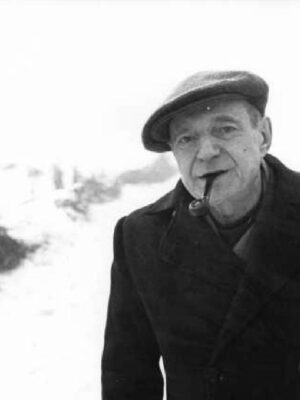
5-6. Umberto Saba (1883-1957) is the pseudonym of Umberto Poli. Saba was born in Trieste as an Italian citizen, even though the city belonged to the Austro-Hungarian Empire. He adopted the pseudonym Saba (meaning “bread” in Hebrew) in tribute to his mother, who was Jewish, and to his Slovenian nurse, Peppa Sabaz. In 1908, he performed his military service in Salerno as a volunteer, without ever actively participating in war operations. He spent the rest of his life in Trieste, where he managed a secondhand bookstore and lived with his wife—Lina, the dedicatee of several poems—and his daughter, Linuccia. His main work is the Canzoniere, published in various editions (the first in 1921), which includes all of his poems. In the Canzoniere, Saba uses the first-person singular and describes places, people, and events from his life. For Saba, in fact, poetry must be above all authentic, as well as “honest”; furthermore, the poetic word is born from contact with reality and personal experience. The experience in the army was translated into verse in the Versi militari, composed in 1908 and later incorporated into the Canzoniere.

Feel the Poem

Partner del Progetto

Hanno partecipato allo sviluppo del Parco Letterario:
