Viatico
O ferito laggiù nel valloncello
Tanto invocasti
Se tre compagni interi
Cadder per te che quasi più non eri,
Tra melma e sangue
Tronco senza gambe
E il tuo lamento ancora,
Pietà di noi rimasti,
A rantolarci e non ha fine l’ora,
Affretta l’agonia,
Tu puoi finire,
E conforto ti sia
Nella demenza che non sa impazzire,
Mentre sosta il momento,
Il sonno sul cervello,
Làsciaci in silenzio –
Grazie, fratello
1916
Last Rite
(trad. By N. S. Thompson, in «Journal of Italian Translations», IX, vol. 1-2, Spring-Fall 2014, p. 59)
O wounded man down there in the defile
you cried out so loudly
for three able bodied comrades
to drop down for you who were so nearly past it,
a legless trunk
in the mud and blood
and still you cried out.
Have mercy on us survivors
who hear your death rattle and still the hour never comes,
the death throes quicken,
but you can let go
and comfort be yours
in the madness that leaves no one insane.
Meanwhile the moment brings pause,
the brain sleeps
and you leave us in peace –
thank you, brother.
1916
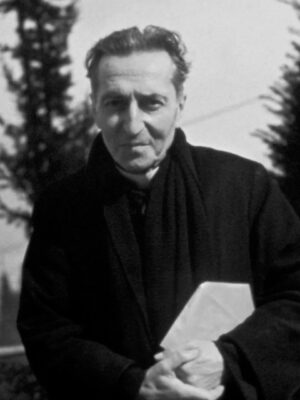
7-8. Clemente Rebora (1885-1957), Milanese by birth, born to a secular and Garibaldian family, approached spiritualism during his university years. In the 1910s, he collaborated with the literary magazine “La Voce,” although he never became part of the editorial staff, and published Frammenti lirici (1913), still considered his most important poetry collection. He was called to the front at the outbreak of the war, but suffered a severe head injury following an explosion and never returned to combat. In 1922, he published Canti anonimi, where the religious and moral crisis he was going through is evident. In 1933, he entered a Rosminian monastery in Domodossola, where he would become a priest.
Voce di vedetta morta was published for the first time in the magazine “La riviera ligure” on January 1, 1917; it was later included in Poesie e prose liriche (1913-1920). Rebora would have liked to create a book on the war, containing both prose and poetry, but the work was never realized.